By Millie Muroi
Annual inflation has slowed to 3.4 per cent in November as Australians travelled less domestically and electricity bill price growth eased.
The latest figures from the Australian Bureau of Statistics on Wednesday showed price pressures over the 12 months to November eased, coming in lower than the 3.8 per cent growth recorded in October.
Economists had been expecting headline inflation to come in at 3.6 per cent for the 12 months to November after a higher-than-expected 3.8 per cent figure last month.
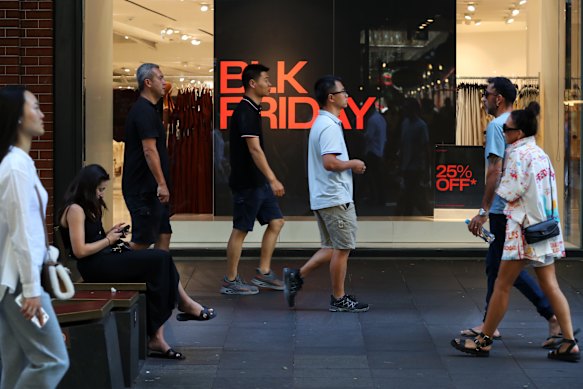
Inflation eased in November, but was it enough for the RBA to keep rates on hold?Credit: Getty
Trimmed mean inflation – which is a measure of inflation that strips out the impact of the biggest price movements and is closely watched by the Reserve Bank – dropped from 3.3 per cent in October to 3.2 per cent in November, broadly in line with the bank’s latest forecasts.
The biggest contributor to annual inflation in November was housing (up 5.2 per cent) as electricity costs rose 19.7 per cent, as well as a growth in rents and new dwelling costs.
RSM Australia economist Devika Shivadekar said the figures presented a “mixed bag” for the Reserve Bank board, which meets in February to make its next interest rate decision.
“While overall inflation is trending lower, the pace of decline remains modest, reflecting persistent cost pressures in key sectors,” she said. “Inflation is easing, which supports holding rates steady, but housing and energy costs remain stubbornly high, signalling underlying price pressures.”
Economists have been expecting several rate hikes in 2026 after RBA governor Michele Bullock signalled interest rates would not be coming down in the first half of 2026. In December, the bank held interest rates steady at 3.6 per cent.
The next key data point for the bank ahead of its February meeting will be a labour force report, which will indicate how much capacity there is in the economy, and the amount of pressure on wages: a key input for businesses making pricing decisions.
The Australian sharemarket spiked when the latest inflation figures were released, and was trading 0.4 per cent higher at midday.